

Introduction
Kyphosis, a spinal condition characterized by an excessive outward curvature of the upper back, affects individuals of all ages. This disorder can lead to a rounded or hunched posture, causing discomfort, pain, and potential complications. Understanding the causes, symptoms, and treatment options for kyphosis is essential for early diagnosis and effective management.
Causes of Kyphosis
Several factors contribute to the development of kyphosis:
- Poor Posture: Prolonged slouching or hunching can strain the muscles and ligaments supporting the spine, leading to an increased curvature.
- Degenerative Diseases: Conditions like osteoporosis can weaken the vertebrae, causing them to collapse and create an exaggerated curve.
- Congenital Defects: Some individuals are born with spinal abnormalities that contribute to kyphosis, as the spine doesn’t develop properly during fetal development.
- Scheuermann’s Disease: This condition mostly affects adolescents and is characterized by uneven growth of the vertebrae, resulting in a rounded upper back.
- Neuromuscular Disorders: Conditions such as cerebral palsy and muscular dystrophy can affect muscle control and lead to abnormal spinal curvature.
Symptoms
Common symptoms of kyphosis include:
- Rounded Posture: The most noticeable sign is a hunched or rounded upper back, often referred to as a “dowager’s hump.”
- Back Pain: Discomfort or pain in the upper back or neck can result from muscle strain, nerve compression, or structural changes in the spine.
- Stiffness: Limited flexibility in the spine can lead to stiffness and reduced range of motion.
- Breathing Difficulties: Severe kyphosis can compress the chest cavity, impacting lung function and making breathing difficult.
- Fatigue: Muscle strain and imbalanced posture can cause fatigue, especially during prolonged periods of standing or sitting.
Treatment Options
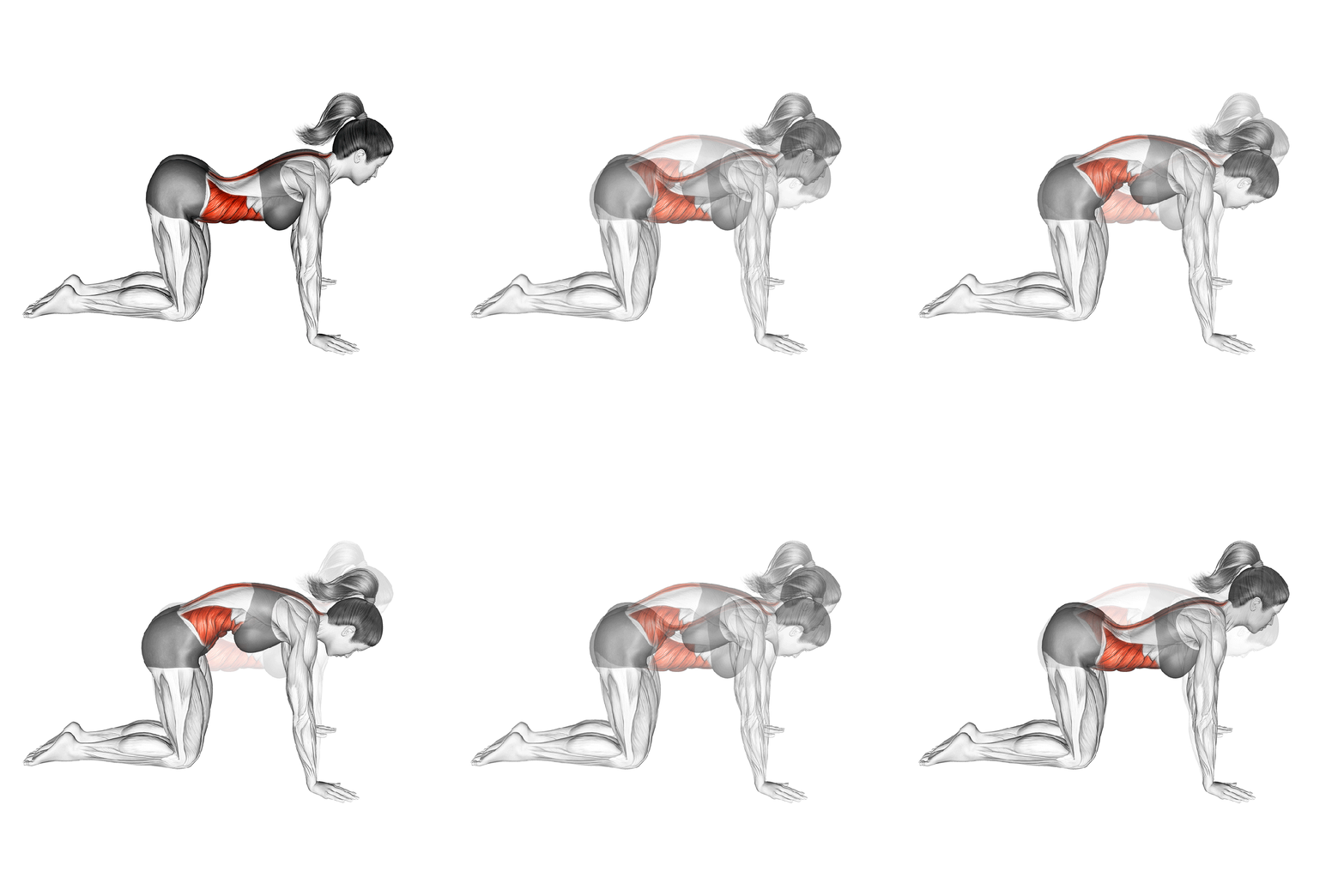
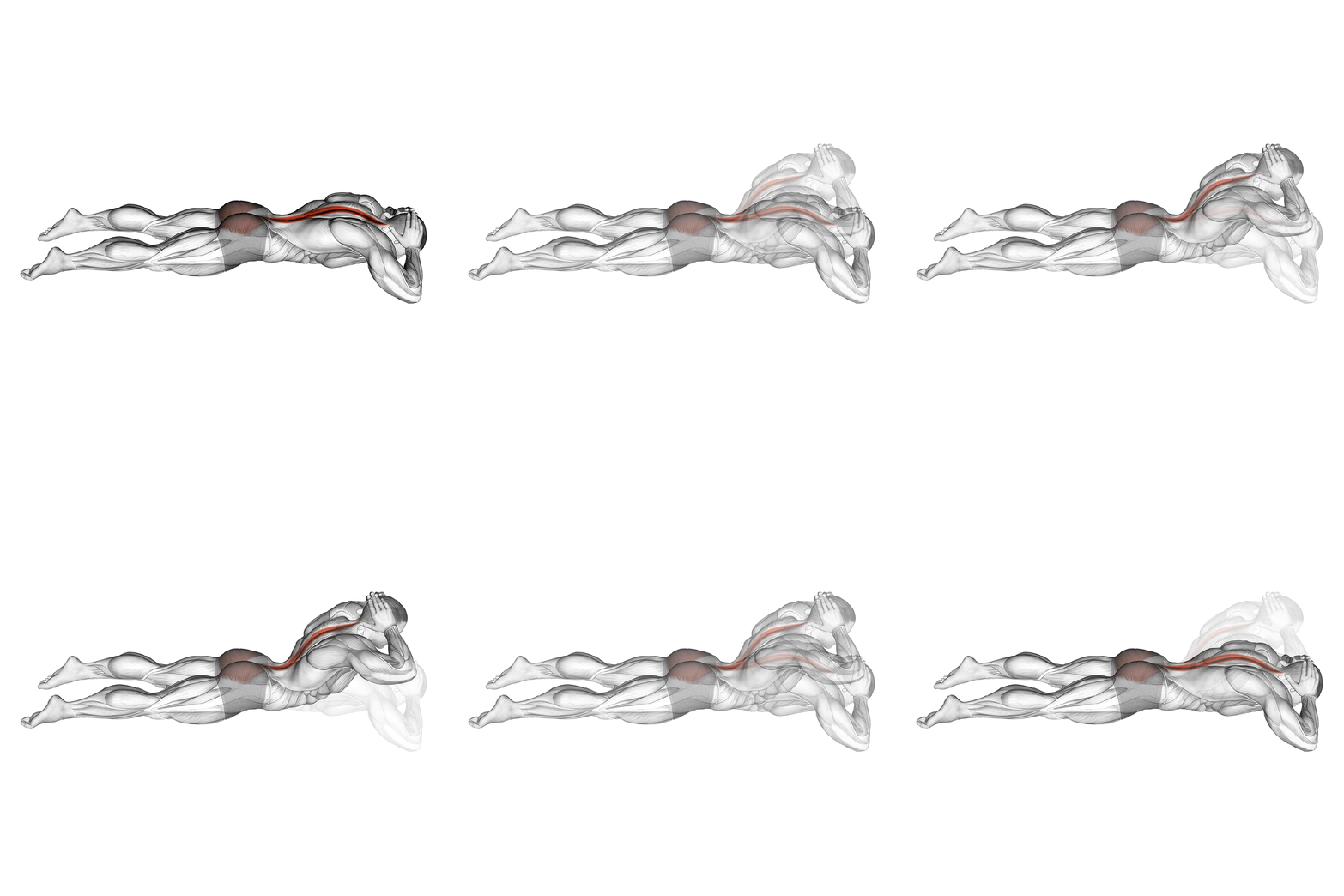
Physical Therapy: Targeted exercises can help improve posture, strengthen core muscles, and alleviate pain associated with kyphosis.
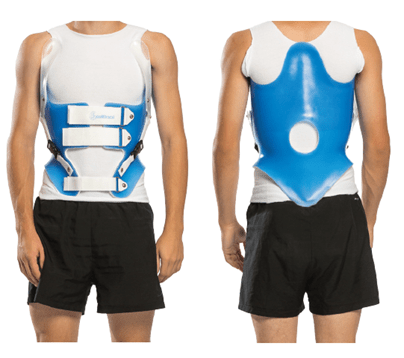
Bracing: For adolescents with moderate to severe kyphosis, wearing a brace can help prevent further curvature progression during growth.
Pain Management: Over-the-counter pain relievers, as well as prescribed medications, can help manage pain and inflammation.
Surgery: Severe cases of kyphosis that cause significant pain or breathing difficulties may require surgical intervention. Surgeons can correct the curvature and stabilize the spine.
Lifestyle Modifications: Maintaining good posture, practicing regular exercise, and avoiding activities that strain the back can aid in managing and preventing kyphosis.
Prevention and Outlook
While some forms of kyphosis are congenital, many cases can be prevented or managed effectively. Practicing good posture from a young age, engaging in regular physical activity, and ensuring adequate calcium intake to maintain strong bones are important preventive measures. Early diagnosis and intervention play a crucial role in preventing complications and improving quality of life for those affected by kyphosis.
Conclusion
Kyphosis is a spinal condition that can significantly impact an individual’s posture, comfort, and overall well-being. Understanding its causes, recognizing its symptoms, and exploring appropriate treatment options can lead to effective management and improved quality of life. By prioritizing good posture, maintaining a healthy lifestyle, and seeking medical advice when needed, individuals can take proactive steps to manage kyphosis and its potential complication.
 All About Fitness
Leave a comment