
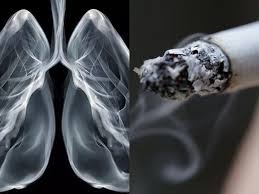
Do you often feel like you’re running out of breath quickly? Or that you just don’t have the energy you used to? Believe it or not, smoking might be the reason behind it. Those little cigarette sticks can actually make a big difference in how much stamina you have.
When you smoke, your lungs and airways get irritated. They don’t work as well as they should. This means you can’t take in as much oxygen as your body needs. Oxygen is like fuel for your muscles – it helps them work better and longer. But when you smoke, your muscles might not get all the oxygen they need. That’s why you might feel tired more quickly.
Smoking isn’t just bad for your lungs; it’s bad for your heart too. Your heart pumps blood to give your muscles the energy and oxygen they need. But smoking can damage your heart and blood vessels, making it harder for your heart to do its job. This can make physical activities feel way harder than they should.
Imagine your body is a car. Smoking is like putting bad fuel in the car – it won’t run smoothly and might break down faster. Quitting smoking is like giving your car good fuel – it will start running better, and you’ll feel more energetic.
The good news is that if you quit smoking, your body starts to heal. Your lungs get stronger, and your heart gets healthier. This means you’ll have more stamina and energy. So, if you want to feel less tired and breathless, saying goodbye to smoking is a big step in the right direction. Your body will thank you for it!”
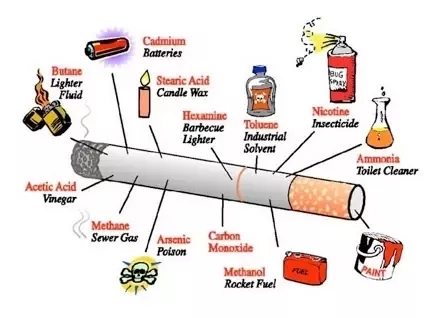
Smoking harms stamina by affecting various aspects of the body’s respiratory and cardiovascular systems. Here’s a more in-depth look at the topic
1. Lung Capacity and Oxygen Intake:
Smoking damages the lungs and airways, causing inflammation and the buildup of mucus. This can lead to conditions like chronic obstructive pulmonary disease (COPD) and emphysema, which reduce lung function and overall lung capacity. As a result, smokers have a harder time taking in oxygen, which is essential for providing energy to muscles during physical activities. Reduced oxygen intake directly impacts stamina, making even simple tasks feel more strenuous.
2. Cardiovascular Health:
Smoking damages the blood vessels and arteries, leading to atherosclerosis (narrowing and hardening of arteries) and increased risk of cardiovascular diseases like heart attack and stroke. These conditions compromise the heart’s ability to pump blood efficiently, which affects the supply of oxygen and nutrients to muscles. As a result, smokers often experience fatigue and reduced stamina during physical exertion.
3. Endurance and Recovery:
Smoking impairs the body’s ability to transport and utilize oxygen effectively. This can lead to quicker fatigue and decreased endurance during exercise or any physically demanding activity. Additionally, smoking hinders the body’s natural healing processes, making recovery from workouts slower and more challenging.
4. Exercise Tolerance:
Smoking can lead to shortness of breath, coughing, and increased mucus production. These symptoms can limit an individual’s ability to engage in physical activities and reduce their exercise tolerance. Smokers are more likely to experience discomfort and reduced performance during workouts, further affecting their stamina.
5. Impact of Quitting:
The good news is that quitting smoking can lead to significant improvements in stamina. Over time, lung function starts to improve, allowing for better oxygen exchange. Cardiovascular health also begins to recover, leading to increased endurance and reduced fatigue during physical activities. Even within a few weeks of quitting, many people notice improvements in their ability to engage in exercise without feeling as winded.
Conclusion:
Smoking has a detrimental impact on stamina due to its effects on lung capacity, oxygen intake, cardiovascular health, endurance, and recovery. Quitting smoking is one of the most effective ways to restore and improve stamina, allowing individuals to lead a healthier and more active lifestyle.
 All About Fitness
Leave a comment