
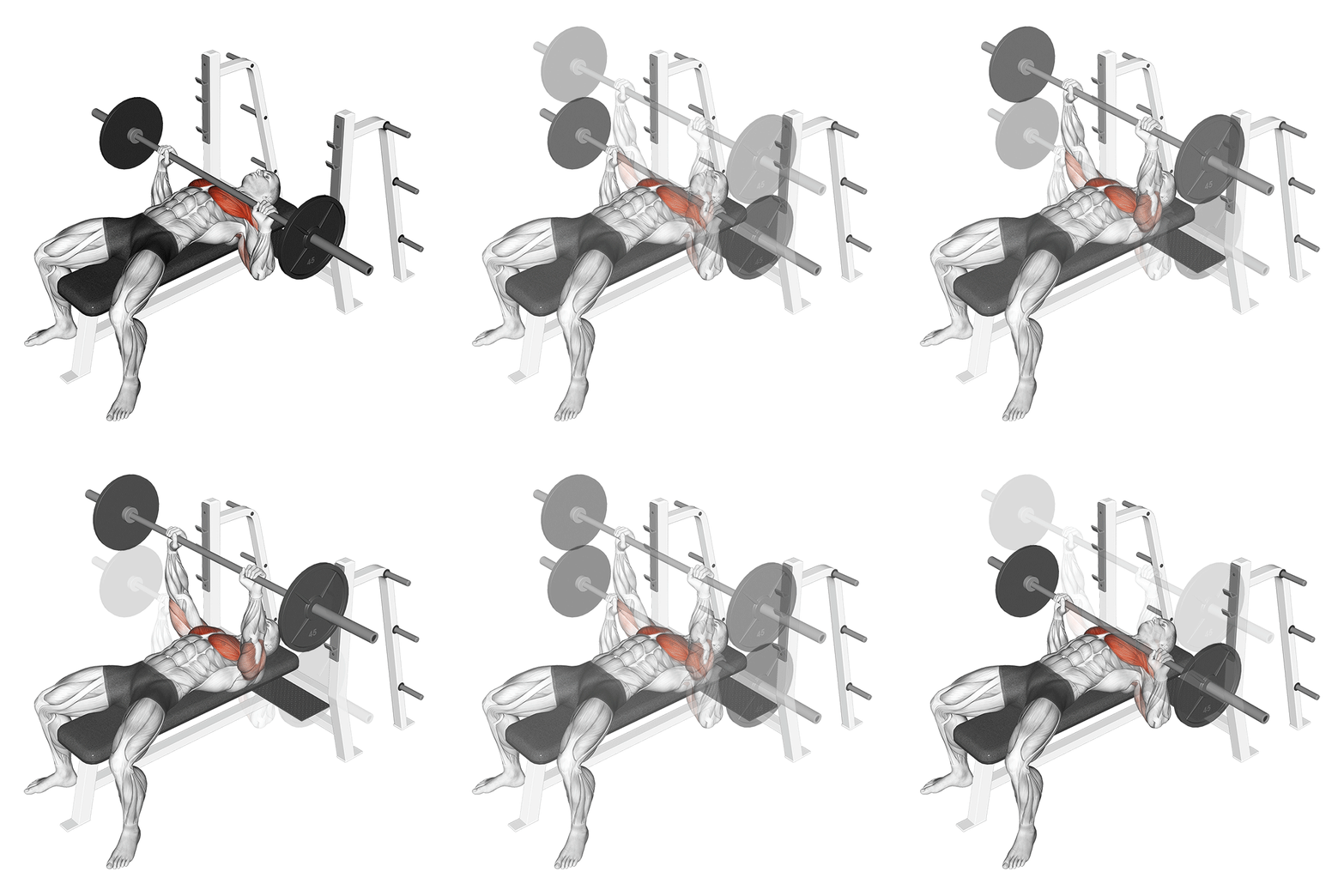
The flat bench press is a structural movement and a popular strength training exercise that primarily targets the chest, shoulders, and triceps. Here’s a brief guide on its biomechanics and how to perform it:
Biomechanics:
The flat bench press involves lying on a flat bench with your feet flat on the ground and your back, shoulders, and buttocks in contact with the bench. The barbell is lifted from a rack and lowered to your chest, then pressed back up to the starting position. Key points to consider:
- Grip: Grip the bar slightly wider than shoulder-width, with your palms facing away from you. Wrists should be straight.
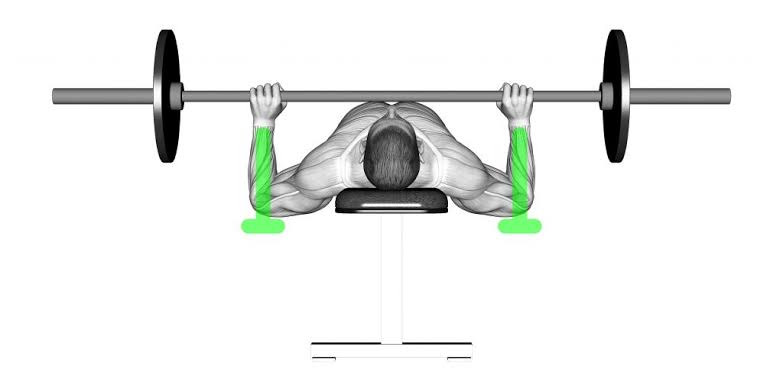
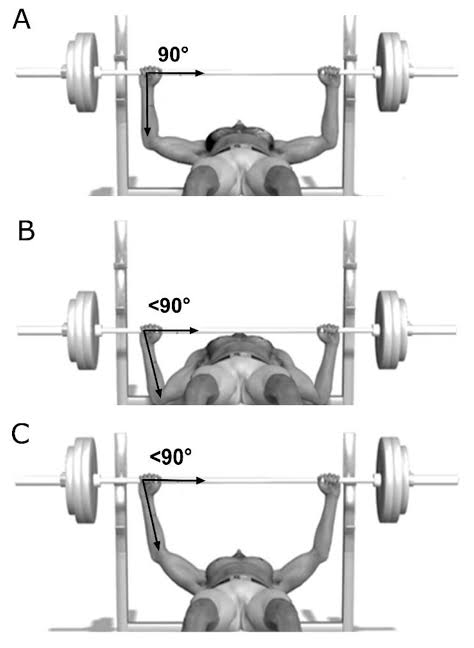
- Elbow Position: Lower the bar to your mid-chest while keeping your elbows at around a 45-degree angle from your body. This minimizes stress on the shoulders.
- Bar Path: The barbell should travel in a straight line above your chest. Avoid flaring your elbows out excessively, as it can strain your shoulders.
- Breathing: Inhale as you lower the bar to your chest, and exhale as you press it back up.
Step-by-Step Guide:
- Lie on the bench with your head, shoulders, and buttocks in contact with the bench. Feet flat on the ground.
- Grip the barbell with a slightly wider than shoulder-width grip. Unrack the bar and hold it above your chest.
- Lower the bar slowly to your mid-chest, keeping your elbows at a 90-degree angle.
- Pause briefly at your chest and then press the bar back up to the starting position.
- Complete the desired number of repetitions.
Tips:
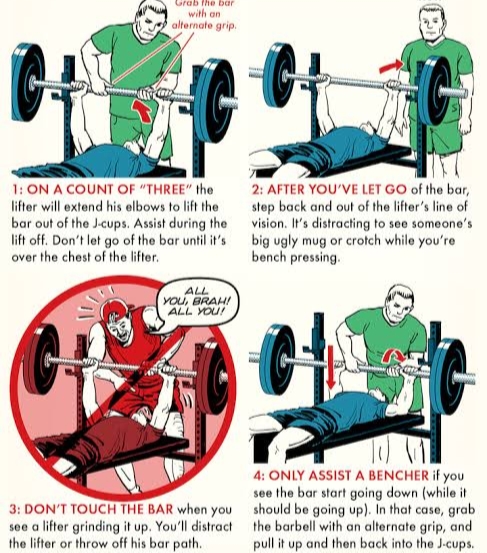
- Use a spotter for safety, especially when lifting heavy weights.
- Start with a weight you can comfortably manage to ensure proper form.
- Warm up your muscles before attempting heavy lifts.
Remember, proper form is crucial to prevent injuries and get the most out of the exercise. If you’re new to bench pressing, consider seeking guidance from a fitness professional.
Keep in mind that individual anatomy and physical capabilities may vary, so it’s important to adjust the exercise to your own body’s mechanics. Always consult with a healthcare professional before starting a new exercise regimen, especially if you have any underlying medical condit
Shocking Truth About Protein Revealed: Is Your Calculator Sabotaging Your Fitness Goals?
Protein is a crucial macronutrient that plays a vital role in building and repairing muscle, producing enzymes and hormones, and supporting a healthy immune system. As a result, it’s no surprise that many fitness enthusiasts rely on protein calculators to determine their optimal daily intake. Protein Calculators: A Helpful Tool, But Not a Magic Formula…

Unlock Your Inner Powerhouse: Get the Bootylicious Thighs You’ve Always Wanted in Just Weeks!
Building Blocks: Strength Training is Key While spot reduction (losing fat in one specific area) is a myth, strength training reigns supreme for building muscle mass, leading to thicker thighs. Here are some champion exercises to target your quads, hamstrings, and glutes: Rest, Recover, Repeat: How Your Body Builds Muscle Remember, muscle growth happens during…
Shocking Truth About Protein Revealed: Is Your Calculator Sabotaging Your Fitness Goals?
Protein is a crucial macronutrient that plays a vital role in building and repairing muscle, producing enzymes and hormones, and supporting a healthy immune system. As a result, it’s no surprise that many fitness enthusiasts rely on protein calculators to determine their optimal daily intake. Protein Calculators: A Helpful Tool, But Not a Magic Formula…
 All About Fitness
Leave a comment