
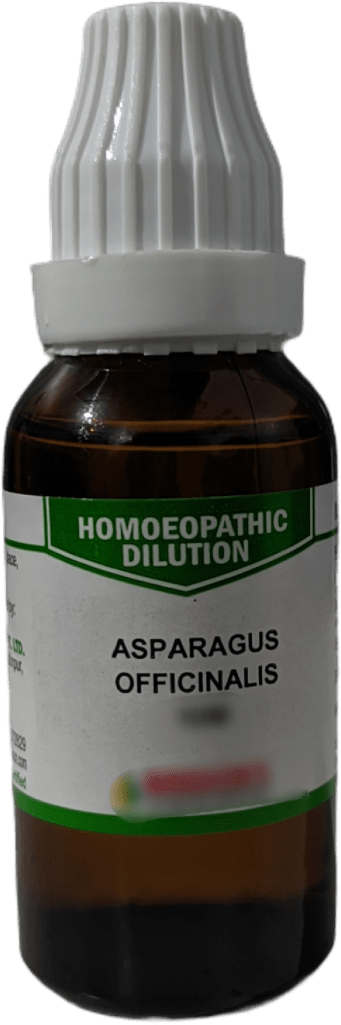
Asparagus officinalis, commonly known as asparagus, is primarily cultivated and consumed as a vegetable. However, it has been used in traditional medicine for various purposes as well.
Asparagus, is believed to have mild diuretic properties. This means it may help increase urine production and promote the elimination of excess fluids and waste from the body. This effect is attributed to its high water content and the presence of certain compounds like asparagine, which have diuretic effects.
Diuretic Properties: Asparagus has diuretic properties, which means it can help increase urine production. This can be beneficial for individuals with mild edema (fluid retention) or urinary tract issues.
Peak week recommendations for bodybuilders
Example
Bodybuilding is a competitive endeavor where a combination of muscle size, symmetry, “conditioning” (low body fat levels), and stage presentation are judged. Success in bodybuilding requires that competitors achieve their peak physique during the day of competition. To this end, competitors have been reported to employ various peaking interventions during the final days leading to competition. Commonly reported peaking strategies include altering exercise and nutritional regimens, including manipulation of macronutrient, water, and electrolyte intake, as well as consumption of various dietary supplements. The primary goals for these interventions are to maximize muscle glycogen content, minimize subcutaneous water, and reduce the risk abdominal bloating to bring about a more aesthetically pleasing physique. Unfortunately, there is a dearth of evidence to support the commonly reported practices employed by bodybuilders during peak week. Hence, the purpose of this article is to critically review the current literature as to the scientific support for pre-contest peaking protocols most commonly employed by bodybuilders and provide evidence-based recommendations as safe and effective strategies on the topic.
Competitive Background
Bodybuilding is a competitive endeavor where a combination of muscle size, symmetry, “conditioning” (low body fat levels), and stage presentation are judged. To be successful, competitors must present their best physique during the day (or days) of the competition. Bodybuilders typically employ periods of 8–22 + weeks of preparation where diet and exercise programs are modified from the off-season in an effort to lose body fat and gain or maintain skeletal muscle mass
Diuretics can lead to muscle cramps or stiffness in some individuals due to electrolyte imbalances, particularly low levels of potassium or magnesium. However, the effect on muscle hardness can vary from person to person and depends on factors such as the specific diuretic used, dosage, and individual physiology. If you have concerns about muscle hardness or any side effects related to diuretics, it’s essential to consult a healthcare professional for personalized guidance and monitoring.
 All About Fitness
Leave a comment