
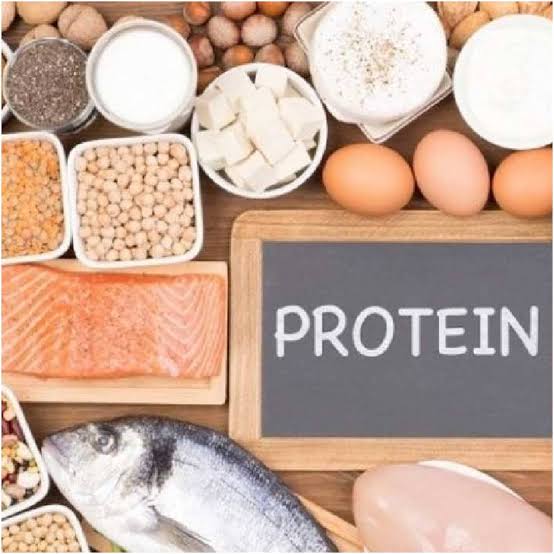
The body needs protein every day because it plays several essential roles in maintaining overall health:
Muscle Maintenance and Growth: Protein is crucial for repairing and building muscle tissues. After a workout, your muscles may have undergone micro-tears, and protein is necessary for their recovery and growth.
Enzyme Function: Enzymes, which facilitate various chemical reactions in the body, are often made of proteins. They are essential for digestion, metabolism, and other biological processes.
Hormone Production: Some hormones, like insulin and growth hormone, are protein-based and are crucial for regulating various bodily functions.
Immune System Support: Antibodies and immune system cells are primarily composed of proteins. Adequate protein intake helps maintain a healthy immune system.
Transport and Storage: Proteins transport nutrients, oxygen, and waste products in the bloodstream. Hemoglobin, for example, is a protein responsible for carrying oxygen.
Tissue Repair: Protein is vital for repairing damaged tissues throughout the body, not just in muscles.
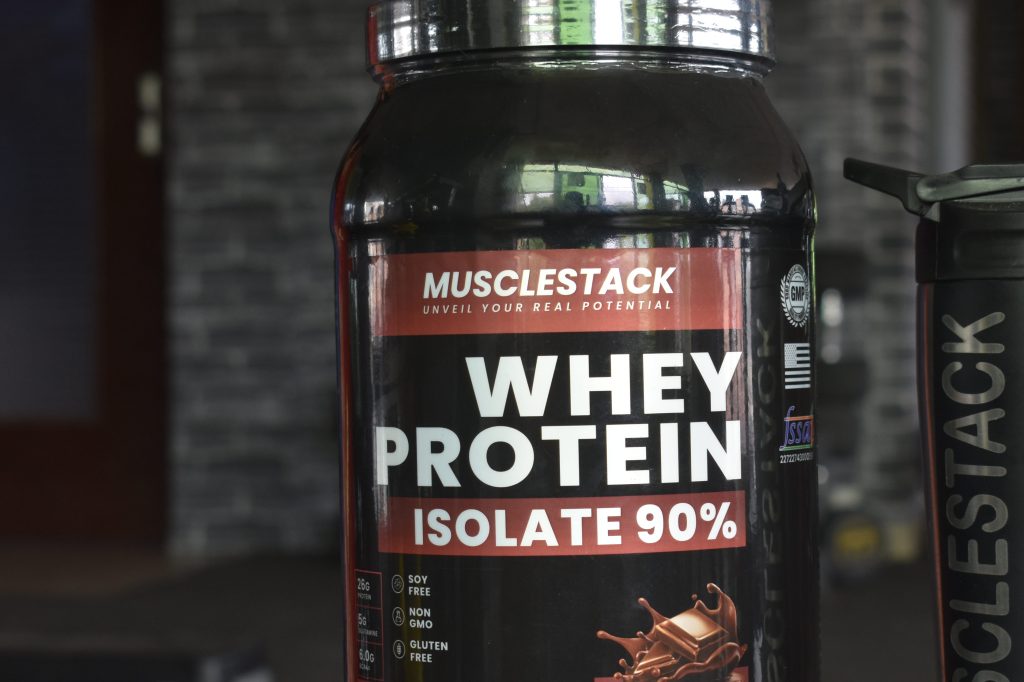
Whey protein, in particular, is popular among fitness enthusiasts for its benefits after a workout:
Rapid Absorption: Whey protein is quickly digested and absorbed by the body, making it an excellent choice for post-workout nutrition when your muscles need nutrients promptly.
Muscle Protein Synthesis: It provides the essential amino acids needed to stimulate muscle protein synthesis, which helps repair and build muscle tissue damaged during exercise.
Muscle Recovery: Whey protein can help reduce muscle soreness and speed up recovery after intense workouts.
Convenience: Whey protein supplements are convenient and can be easily consumed as shakes or added to meals.
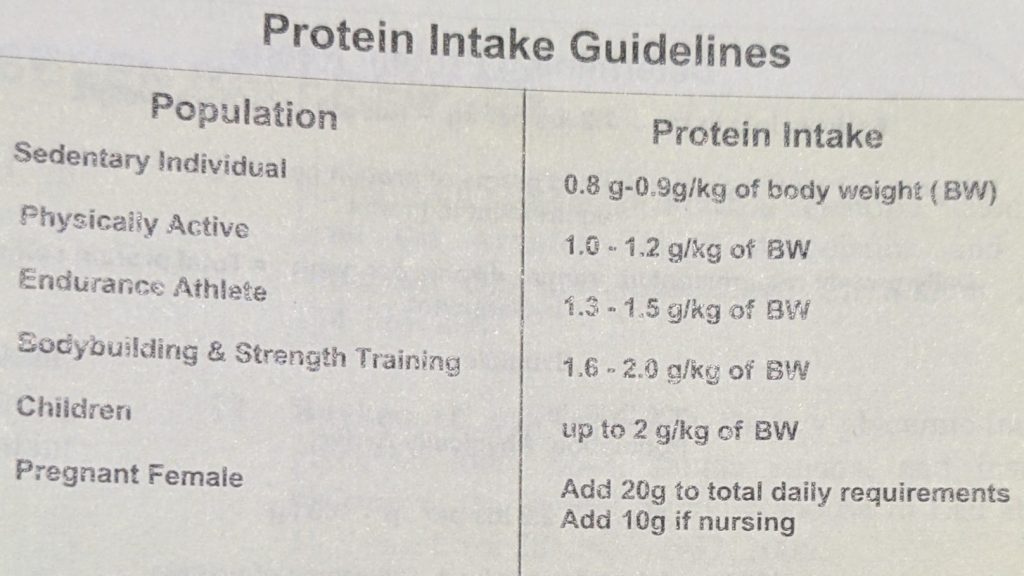
Remember, while protein is crucial, it’s essential to maintain a balanced diet with a variety of protein sources, including lean meats, poultry, fish, dairy, legumes, and plant-based options, to meet your overall nutritional needs. The specific protein requirements vary based on factors like age, activity level, and individual goals. Consulting a healthcare or nutrition professional can help you determine your optimal protein intake.
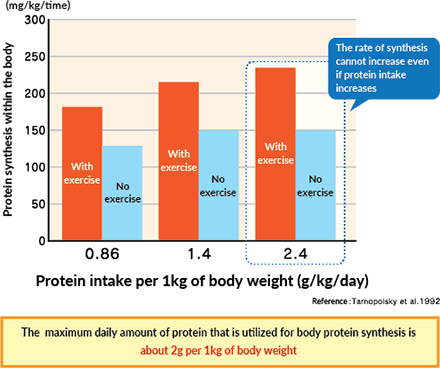
Daily protein intake according to body weight

 All About Fitness
Leave a comment