
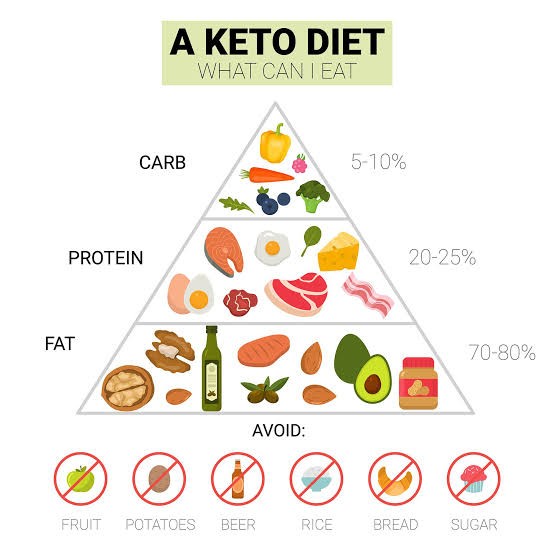
The keto diet is a high-fat, low-carbohydrate diet that has become increasingly popular in recent years. It is said to have a number of health benefits, including weight loss, improved blood sugar control, and reduced inflammation.
How does the keto diet work?
When you eat a keto diet, your body enters a state called ketosis. In ketosis, your body breaks down fat for energy instead of carbohydrates. This happens because your body is no longer getting enough carbohydrates to convert into glucose, its main source of energy.
To enter ketosis, you need to restrict your carbohydrate intake to 20-50 grams per day. This means avoiding foods like bread, pasta, rice, potatoes, and most fruits. Instead, you will focus on eating foods that are high in fat and low in carbohydrates, such as meat, poultry, fish, eggs, nuts, seeds, and leafy green vegetables.
What are the benefits of the keto diet?
The keto diet has been shown to have a number of health benefits, including:
Weight loss: The keto diet is a very effective diet for weight loss. Studies have shown that people on the keto diet lose more weight than people on other diets, such as low-fat diets.
Improved blood sugar control: The keto diet can help to improve blood sugar control in people with type 2 diabetes. This is because the keto diet reduces the body’s need for insulin, a hormone that helps the body to use glucose for energy.
Reduced inflammation: The keto diet can help to reduce inflammation throughout the body. Inflammation is a major risk factor for many chronic diseases, such as heart disease and cancer.
Other potential benefits: The keto diet has also been shown to have other potential benefits, such as improved brain function, reduced risk of seizures, and improved athletic performance.
What are the risks of the keto diet?
The keto diet is generally safe for most people, but there are some potential risks to be aware of, including:
Keto flu: When you first start the keto diet, you may experience symptoms of the keto flu, such as fatigue, headache, and muscle cramps. These symptoms are usually mild and go away within a few days.
Kidney stones: The keto diet can increase your risk of developing kidney stones. This is because the keto diet can increase the amount of calcium in your urine.
Nutrient deficiencies: The keto diet can lead to nutrient deficiencies, such as vitamin B12, magnesium, and potassium. This is because the keto diet restricts many foods that are good sources of these nutrients.
Is the keto diet right for you?
The keto diet is not right for everyone. It is important to talk to your doctor before starting the keto diet, especially if you have any underlying health conditions.
The keto diet is also not a good choice for pregnant or breastfeeding women, people with type 1 diabetes, or people with liver or kidney disease.
If you are considering trying the keto diet, it is important to do your research and talk to your doctor. You should also start slowly and gradually increase your fat intake to avoid the keto flu.
Here are some tips for following the keto diet:
•Eat plenty of healthy fats, such as avocado oil, olive oil, and nuts.
•Choose lean protein sources, such as chicken, fish, and eggs.
•Load up on leafy green vegetables.
•Avoid sugary drinks and processed foods.
•Drink plenty of water throughout the day.
If you experience any negative side effects while on the keto diet, be sure to talk to your doctor.
 All About Fitness
Leave a comment